
Day 1 :
Keynote Forum
Dr. Eliana Rodrigues
Center for Ethnobotanical and Ethno pharmacological Studies Institute of Environmental Sciences, Chemical and Pharmaceutical’ Universidade Federal de São Paulo, Brazil.
Keynote: Traditional medicines in brazil Some examples of prevention, diagnosis and treatment
Time : 10 :00

Biography:
Dr.Eliana Rodrigues - graduated in Biology with a master's degree in Geography (at the São Paulo University), doctorate and post-doctorate in Science (at the Federal University of São Paulo). Professor at Federal University of São Paulo and coordinator of the Center for Ethnobotanical and Ethnopharmacological Studies. She conducts researches in the area of plants and animals used for food, medicinal and / or toxic purposes by past and present cultures (including marijuana, Ayahuasca and other substances used by traditional communities in Brazil). She also develops projects in the area of zoopharmacognosy and traditional management from the perspective of participatory ethnobotany.
Abstract:
In Brazil, Traditional Medicines are practiced by indigenous ethnic groups, mainly those that are still isolated or moderately isolated from other cultures. Currently, there are about 896,900 indigenous people distributed in 305 ethnic groups spread across Brazil’s six main biomes, comprising 55.000 angiosperm plants. To date, about 26 of these indigenous nations have had their medicines registered by academic science, totalizing 358 plant species used to treat complaints and/or different diseases that may act actively on the Central Nervous System. For 157 (43,8%) of them, studies have been conducted to verify the efficacy and/or safety of its uses. Healing practitioners in these medicines are generically called shamans, but in each culture one can observe names that respect the language of the ethnicity involved, such as kuiã (Bororo Indians), wajacá (Krahô), paye (Kamayurá) and xapiri thëpë (Yanomami). They usually have the double role as healer and sorcerer; the latter being related to the protection of the community members. The initiation to become a shaman occurs in many ways: in some Indigenous nations it is considered that the individual is born with this gift, in others, through orientations that are received from the supernatural world, finally, by the invitation of a spiritual entity. In large part, during the initiation process, they carry out food fasting or deprivation, social isolation and use of psychodysleptic plants. The acquisition of knowledge about plants/fungi - and in lesser expression, animals - for medicinal purposes occurs: by transmission between generations, by clues about the organoleptic characteristics of these resources, by observing the relationship between animals and plants, by intuition, and others. The acquisition of this knowledge is dynamic, therefore, new elements are incorporated into daily medical practice, from experiments using particular methods. Part of this knowledge is disclosed among the community members, especially those involving safety, such as; plants that are abortive, toxic, or have any restrictions on use. Names and classifications given to plants/fungi/animals used in these practices; as well as the concepts of: illness/cure/remedy is particular to each ethnicity, being explained within its cosmology, not being susceptible of generalizations. Even so, a few examples will be addressed during the talk. The etiology of diseases, within magical causality, may be of physical, psychological, social and spiritual order.
- Acupuncture and Oriental Medicine | Modern Medicines | Ayurvedic Medicines | Herbal Medicine | Chinese Herbal Medicines
Session Introduction
WONG Yat Kwan
The University of Hong Kong, Hong Kong SAR
Title: Effectiveness and Safety of Transcutaneous Electrical Cranial-auricular Acupoint Stimulation (TECAS) for Patients with Mild-to-Moderate Depression


Biography:
Yat Kwan graduated from the Beijing Univeristy of Chinese Medicine and is a licenced Chinese Medicine practitioner in Hong Kong. She is currently undergoing her PhD studies in the University of Hong Kong . She has a strong background in combining traditional Chinese medicine theories with non-invasive devices to develop novel psychiatric treatments for depression. (Up to 100 words)
Abstract:
Background: In view of traditional Chinese medicine (TCM) and the latest medical literature, acupoints Baihui (DU11) and Yintang (DU13) located on the forehead are suggested as a primary stimulation site for electroacupuncture in treating depression together with ear acupuncture therapy. To this end, we intend to further create a novel and self-administrable non-invasive brain stimulation therapy, namely transcutaneous electrical cranial-auricular acupoint stimulation (TECAS).
Objectives: This study compares the clinical efficacy and safety of TECAS with the antidepressant Escitalopram in treating mild to moderate depression through a randomized controlled trial.
Methods: 70 patients were randomized into TECAS group (n=35) and antidepressant group (n=35). Both groups received 8-weeks of treatment with a 4-weeks post-treatment follow up. Patients in TECAS group received 30 minutes of stimulation treatment twice a day, once in the morning and once in the evening every day, while those in antidepressant group received 10-20mg q.d. of escitalopram each day.
Results: Over 60% of the participants in TECAS responded (50% score reduction from baseline) to the treatment and achieved remission (MADRS score of 10 or below) from depression. No significant differences were observed between the groups (p>0.05) in all the assessment results. No serious adverse events were observed throughout the study.
Conclusions: TECAS can significantly reduce depression and anxiety in mild to moderate patients and reduce rumination activities in patients. It also improves their quality of sleep and quality of life. TECAS is an effective treatment for depression with an early-onset similar to escitalopram but with fewer side-effects.
Moses muriithi Mathenge
Karatina University, Kenya
Title: METAGENOMIC-BASED SCREENING AND MOLECULAR CHARACTERIZATION OF YAMS-INFECTING VIRUSES BY HIGH-THROUGHPUT SEQUENCING AND POX MARKER.


Biography:
Moses Muriithi Mathenge is a plant science research expert at CGIAR Kenya and Karatina University in Kenya currently working on yams and 31virus attacking the metabolism of yams. The project is through Magnus plant funding’s.
He holds three degree as follow Bachelors of Science Biochemistry (UoN), Bachelor of Science Agriculture (KEMU) and Master of Science Plant Pathology (UoN). He is currently a PhD student studying Molecular plant pathology in yams crops at CGIAR Kenya.
Abstract:
Simmi Chopra
SIDH Ayurveda, NYC, USA
Title: A need for an Integrated approach with Ayurveda for the management of chronic diseases.


Biography:
Simmi Chopra is an Ayurvedic Practitioner based in New York City and is training to be an Ayurveda Doctor from Kerala Ayurveda. She has a background in Molecular Biology and Biostatistics from Rutgers university, NJ, USA. She has been studyng Ayurveda for past decade and practicing in NYC.
Abstract:
Ayurveda is one of the oldest systems of medicine in the world. It combines the Sanskrit words ayur (life) and veda (knowledge). It utilizes a holistic approach in the treatment of all diseases. It considers the whole body and mind for any problem where different tissues or system in the body interact with each other and are not separate entities. With the increase in incidence of chronic disease and the cost of healthcare, there is a need for integration of Ayurveda and mainstream medicine. The high pressure and stressful demands of work and lifestyle with poor and adulterated food consumption, the incidence of diseases with lifelong support from steroid, painkillers or surgeries have increased. There is a need for an integrative approach to tackle the growing problems in health. I will present how Ayurvedic principles and herbs can help with management and for treatment of chronic diseases.
Shune Lae Phyu
Mae Fah Luang University, Mandalay ,Thailand
Title: The efficacy of Ziziphus jujuba extract serum for reduction of periorbital wrinkles


Biography:
Dr. Shune Lae Phyu was completed my M.B.,B.S from University of Medicine, Mandalay in year 2019. In the past, I worked at private clinic to increase my working experience for 1 year. Then, I continued to improve my knowledge by studying master degree in Thailand in the end of 2019. Now, I’m currently in Bangkok to finish my M.Sc Dermatology at Mae Fah Luang University. This is my first research paper of my master degree, I would like to publish my study result in this conference. Although this is my first time presentation on international conference, I will try my best to do it well.
Abstract:
As the earth keeps rotating, aging is the process that people can’t escape as the external and internal appearances of living things change according to time. Having flawless skin without wrinkles, fine lines and dark spots is the ultimate beauty goal for all people in the world. Nowadays, anti-aging procedure is becoming popular, the researchers keep trying to find out new anti-aging treatments with the aim of getting maximum effectiveness and minimal side effects.
Among entire body, the skin is most visible part of the body that shows continuous signs of aging. The aging skin signs, wrinkles become prominent at the age of 30. Periorbital wrinkles or crow’s feet are one of the most unwanted skin problems since eyes are regarded as the first thing of communication between people before actual speech.
Daily exposure of skin with air, sunlight, chemicals can lead to induction of free radicals’ production and reactive oxygen species (ROS). Free radicals are the most dangerous molecules in the human body that speeds up the aging process. Natural plants are gifted to human beings as medicine to encourage healthy life. Since the beginning of civilization, plants have been used in various forms in society such as pharmaceutical, nutraceutical and cosmeceutical usage due to their potential to treat skin problems. Among different species of them, Chinese jujube or Ziziphus jujuba plays an important role in Chinese traditional medicine.
Due to its high nutritional composition, it has been used as an anti-oxidant, anti-insomnia and neuroprotective agents in Chinese medicine. Jujube contains 23 types of amino acids, polysaccharides and high amounts of vitamins and minerals and nutraceuticals. The major vitamins in jujube are vitamin C, riboflavin, thiamine and vitamin A. These components in jujube have anti-oxidant properties which may aid in scavenging of free radicals. The anti-oxidant properties are not only given by vitamins, but also by phenolic compounds. Moreover, polyphenols and flavonoids are the active ingredients in jujube fruits. The antioxidant properties of Ziziphus jujuba extract would be effective for treatment of periorbital wrinkles. Therefore, the main purpose is to study efficacy of Chinese Jujube extract serum for treatment of periorbital wrinkles.
Thazin Thet Tin
Mae Fah Luang University, Thailand
Title: The Effectiveness of HA filler in the gummy smile treatment


Biography:
Abstract:
Background : A perfect smile is balanced with 3 parameters, teeth, gum and lips. Gummy smile can be a cause of esthetic embarrassment for many patients, so affecting their psychological behavior. With different causes of gummy smile, treatment could be facial surgery, oral surgery, laser or botox.
Objective :To study the effect of HA filler in the gummy smile treatment and to know the HA filler imporves or not.
Material and method : quasi-experimental study of injecting HA filler in the gummy smile treatment, total 10 patients of gummy smile average 4.5cm exposure is collected according to the inclusion and exclusion criteria and gave the treatment.
Result : immediate effect on gummy smile average exposure is reduced.
Conclusion : So it Is effective in treating gummy smile by using filler near the nasolabial fold (canine fossa ).
THIRI MYO KHAING,MD
Mae Fah Luang University,Thailand
Title: A COMPARATIVE STUDY OF THE EFFICACY OF 3% GLYCINE MAX EXTRACT CREAM VERSUS 2% ALPHA ARBUTIN CREAM IN FACIAL SKIN WHITENING IN THAI PEOPLE.


Biography:
Thiri Myo Khaing,MD has completed the medical degree at the age of 25 years from University of Medicine(1),Yangon,Myanmar.Currently studying as a Master student in Dermatology at Mae Fah Luaung University Thailand.
Abstract:
General objective of this research is to compare the whitening effect in facial skin between 3% Glycine max and 2% Alpha Arbutin in Thais. Research Hypothesis is 3% Glycine max extract cream has a better efficacy and satisfactory evaluation in facial skin whitening more than 2% Alpha Arbutin cream.The excepted benefits are 1)use glycine max as an alternative to whiten the facial skin and 2)to use as a database for future research.Alpha Arbutin is a standard cream for the facialwhitening with anti-tyrosinase activity.Glycine Max(soy bean) has skin lighting effect by acting as a melanosome transfer inhibitor.Male and Female 30 subjects, age between 20 and 60 years with Fitzpatrick Skin type III-VI were consulted by dermatologist and matched with all inclusion criteria were enrolled. 3% Glycine max extract cream and 2% Alpha Arbutin were applied randomly by using block randomization in a split face design (right and left sides). Both 3% Glycine max extract cream and 2% Alpha Arbutin have similar color, consistency and smell. Volunteers applied the creams two times per day for 8 weeks. Moreover, mild soaps and sunscreens were given to the volunteers. Skin whitening was evaluated at baseline, 4th and 8th weeks by measuring mean melanin index by mexameter® MX18 and comparing the photography VISIA® analysis. Satisfactory score and adverse effects of the volunteers were observed and evaluated by three dermatologists and will be recorded throughout the study. Research location is at Mae Fah Luang Hospital, Asoke, Bangkok.

Biography:
Iroele adimchinobi Henry has completed his degree at the age of 24 years from Federal Polytechnic Oko omabara state in biafran land South Eastern nigeria and postdoctoral trado-therapist studies from Trado-therapy medical school. He is the director of Doctor Sure Herbal Therapy Home, a Traditional herbal treatment association.
Abstract:
Herbal Therapy can be defined as using plants to cure or treat serious stubborn infections which orthodox medicine call incurable. Herbal Therapy have proven to be potent from centuries past ranging from African to Asia to middle East and to rest of the world.
Understanding the way herbs works will make you to appreciate the beauty of nature loaded with nutrients which the cells in the body feeds on which empowers them to fight bad cells or dead cells or any external bacteria or good bacteria missing it's proper place of action to a place it's not the territory which while trying to survive the new environment would cause problem or dis-ease to the body or the person.
Herbals therapy have been tested and trusted by doctors and patients to be a sure cure to all Diseases like Cancer, tumour, lumps, AIDS, infertility, stroke, asthma, etc. Staying on herbal therapy by drinking a hot herbal tea in an Empty stomach in the morning and at night aftermeal plus exercise, good sex, sound mind would keep the person in health till when very old and weak.
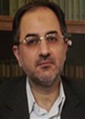
Mohammad Rabbani Khorasgani
University of Isfahan, IRAN
Title: E-BABE- HUMAN HEALTH IMPROVEMENT THROUGH LIFESTYLE MODIFICATIONS: FOCUS ON ISLAMIC LIFESTYLE

Biography:
Dr. Mohammad Rabbani Khorasgani (DVM, PhD), has completed his PhD in the field of Microbiology at the age of 30 years from University of Tehran. He is now an associate professor in Department of Molecular Cell Biology & Microbiology, Faculty of Biological Science and Technology, University of Isfahan, IRAN. He has published about 70 papers in the health- related fields especially prevention of infectious diseases via natural products such as probiotics. He published some multidisciplinary articles about lifestyle factors influencing human health,also.
Abstract:
Lifestyle as the way or style used by people in their life in special time and place, includes behaviors and functions of individuals. Life style is influenced by specific geographical, economic, political, cultural and religious factors. Lifestyle affects different aspects of human life. WHO, has estimated that 60% of related factors to individual health and quality of life are correlated to life style. Life style management may be regarded as an effective and necessary action for human health promotion.
In this article, the effects of lifestyle management via beneficial use of Islamic texts on health improvement would be presented as the followings:
1. Influences of lifestyle on predisposition, development, exacerbation or prevention and control of human diseases.
Some of important diseases such as most cardiovascular diseases can be addressed by lifestyle-related risk factors such as unhealthy diet and obesity, physical inactivity, tobacco use, and harmful use of alcohol, and vice versus, some lifestyle-related factors such as: diet management, physical activity and good pattern of sleepiness and awaking may be beneficially effective in prevention and control of diseases.
2. Islamic lifestyle characteristics and their effects on human health
Islamic lifestyle affects different aspects of human body and soul. Some important characteristics of Islamic lifestyle with potential effect on human health are included:
2.1. The necessity of pay attention to spiritual and physical aspects of human together
2.2. Carefulness about human health and emphasis on pay attention to keep healthy and preventing harmful activities
2.3. Islamic nutrition style with emphasis on:
2.3.I. Exploitation of different sources (herbal and animal) for nutrition
2.3.2.” Halal” or permissible foods such as vegetables, fruits, meat of lamb, goat, beef, chicken and fish
2.3.3. Prohibition of potentially deleterious materials known as “Haram” substances eating such as alcoholic drinks, pork, carcasses meat, blood and filthy materials
2.3.4. Necessity of fasting during Ramadan
2.3.5. Necessity of carefulness about foodstuff usage and evaluation of the benefits and harms of potential foods
2.3.6. Forbidden of overeating and food extravagance
2.3.7. The emphasis on limitation of meat consumption to the amount of human requirement
2.3.8. Emphasis on beneficial and curative effects of some natural foods for human health
Some traditional foods as recommended foods in Islam, especially honey and foods with herbal origin such as dates and dairy products containing probiotics may be essential role in people health and longevity. Honey with antioxidant, anti-inflammatory, and antimicrobial activities expresses beneficial effects on human health. More studies are exploring other potential activities of honey such as its effect on blood sugar, body weight, lipid profile, C-reactive protein, nitric oxide, pro inflammatory prostaglandins, and homocysteine.
2.4. Insistence on: “prevention is better than cure”
2.5. Spiritual health strengthening with piety, abstinence “Taghva”, reliance on Allah, tolerance and hopefulness for the future
2.6. Islamic family lifestyle especially encouraging the marriage
2.7. Insistence on acquisition of health- related sciences and underlining that: “for any pain, there is a cure”
2.8. The emphasis on the importance of knowledge-based medicine and preventing the non-scientific intervention on human health
2.9. The religious beliefs and practices including some private and /or communications and multidisciplinary works with beneficial health effects
2.10. The necessity of pay attention to the rights of others
2.11. Islamic sex healthy lifestyle: Not unrestrained sexual activity, nor sexual asceticism but legal sexual activities that restricted to marriage, prohibition of unlawful and illicit relationships (adultery, pederasty and same-sex relationships), encouraging the chastity and forbidden of indecent behaviors, prohibition of alcoholic beverages and therefore prevention of uncontrolled behaviors, punishment for overt unlawful sexual relations and sex crimes
2.12. The properly time management between working, sleeping, spiritual duties and recreation and entertainment activities
2.13. Social lifestyle: Essential preparations to prevent people loneliness and social isolation such as: emphasis on marriage, religious and social duties: the care and support of parents and elderly people, visiting the sick, collective worship practices and etc
Conclusion
In-depth studies about “lifestyle and health” relationships with beneficial using of human experiences, cultural and religious teachings will be helpful for proper lifestyle modifications toward health improvement.

Biography:
Medicinal and aromatic plants often used as natural medicines because of their remedial properties. Product of plant origin has become an exciting area of research in drug discovery and development. Medicinal and aromatic plants mainly exploited for essential oil extraction for much application in industries. This study aims to evaluate two extraction methods on essential oil percentage and components of celery and parsley seeds. Celery essential oil percentage gave insignificant effect according to the two used methods, meanwhile parsley essential oil percentage appeared significant values, the main components of the two plants were decreased with extracted by evaporator, (limonene of celery and Myristicin of parsley). Limonene was decreased from 71.32% with hydro distillation to 42.04% with evaporator hydro distillation, myristicin was lower from 77.58% to 53.69% according to the previously methods. Monoterpene hydrocarbons decreased in two plants with evaporator hydro distillation, but oxygenated compounds were increased and the decrease was very low in both two plants, meanwhile sesquiterpene hydrocarbons cleared decrease in celery and increase in parsley. According to previously, recommended by application the two methods (hydroditilation of water and evaporator) for essential oil extraction of both of celery and parsley seeds.
Abstract:
- B.Sc. Faculty of Agriculture, Dep. of Biochemistry, Cairo University 1976.
- M.Sc. Faculty of Agriculture, Dep. of Biochemistry, Cairo University 1985.
- Ph.D. Faculty of Agriculture, Dep. of Agricultural Chemistry Menoufya University 1990.